
Study at Top International Universities in India
Study at an international university’s campus in India and get access to a global education without the complexities and cost of relocating abroad.Explore universities from the UK, Australia, USA and other countries that are establishing campuses in India.
Why Are Students Looking at Foreign Universities in India?
With tightening visa rules and growing uncertainty around studying abroad, more Indian students are exploring foreign universities in India as an alternative. These campuses offer international education, highly qualified faculty and global academic standards while potentially reducing overall costs significantly—the cost of living in India can be a fraction of that in major overseas destinations. Many universities are also collaborating with leading Indian institutions such as IITs and prominent industry partners, creating opportunities for academic and industry exposure. For students seeking a global degree without leaving India, foreign university campuses offer an increasingly attractive option.
Leading International Universities in India
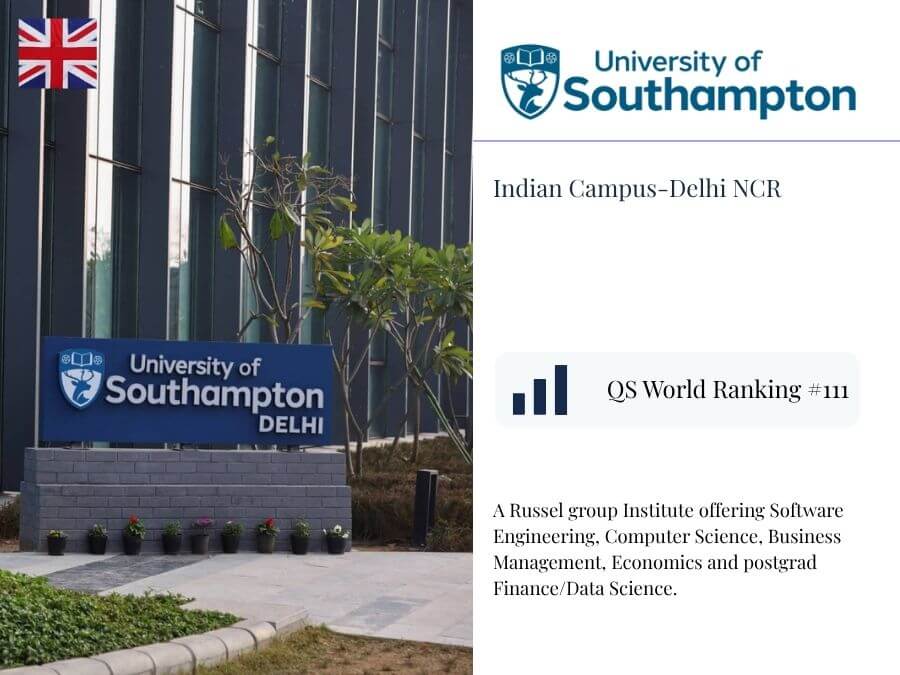
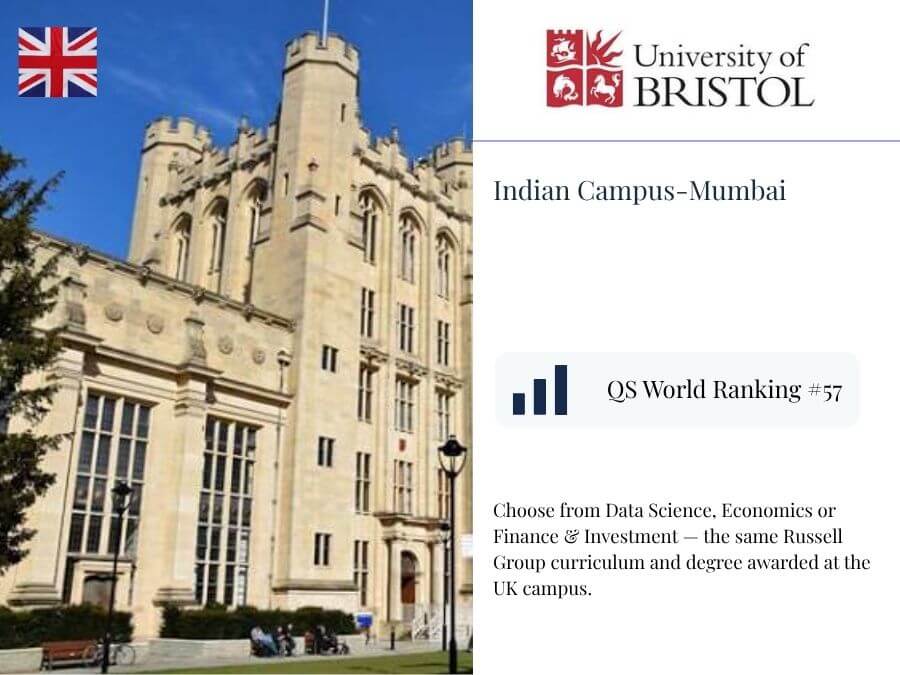
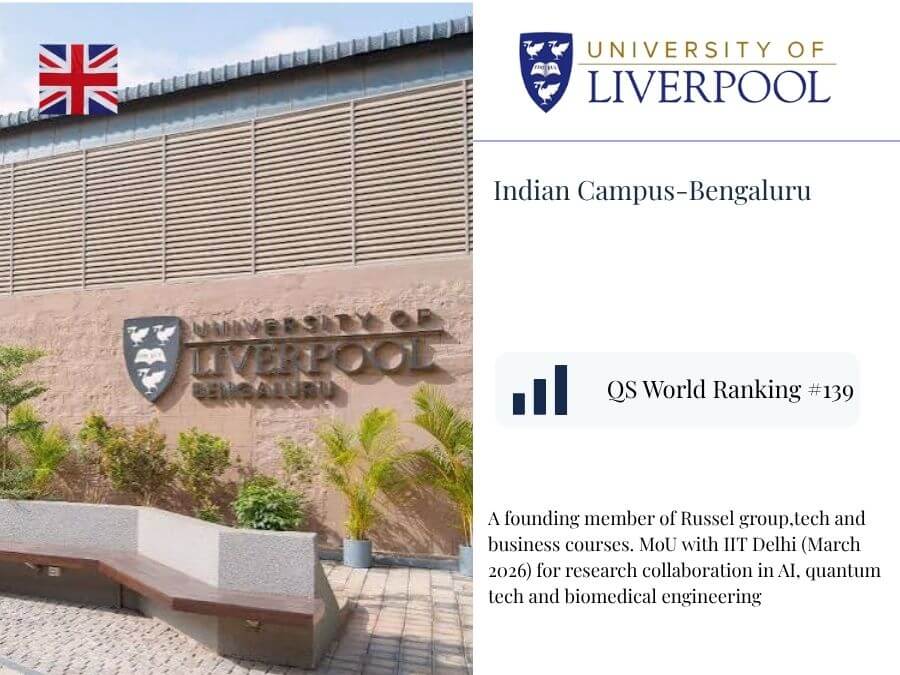
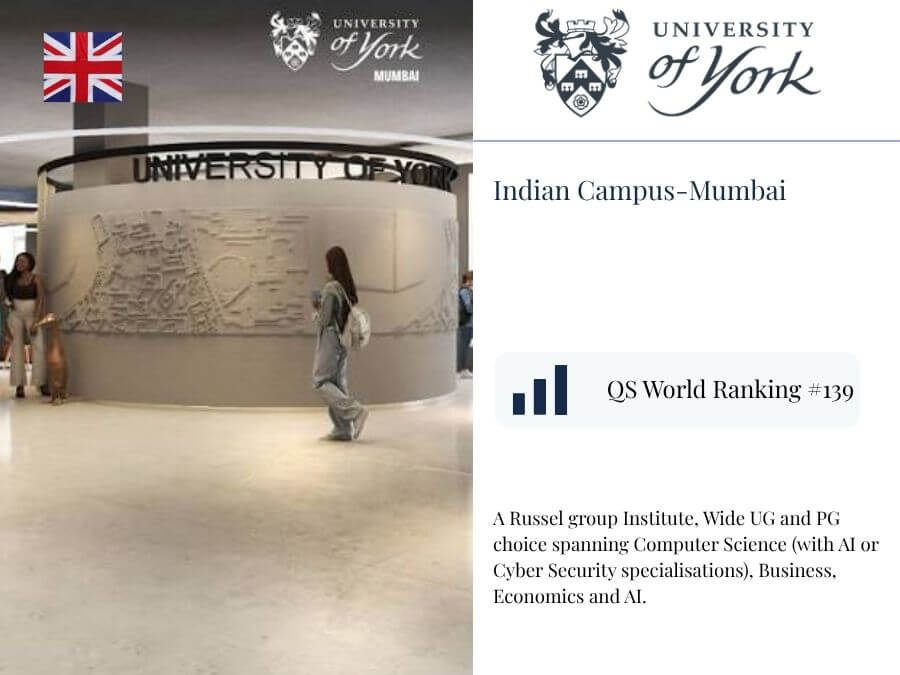
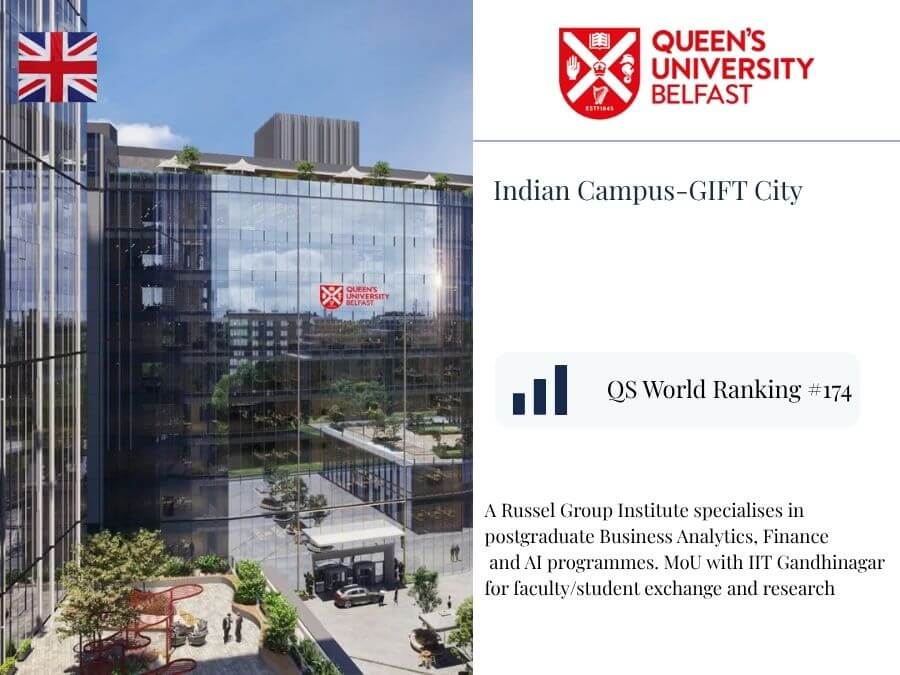
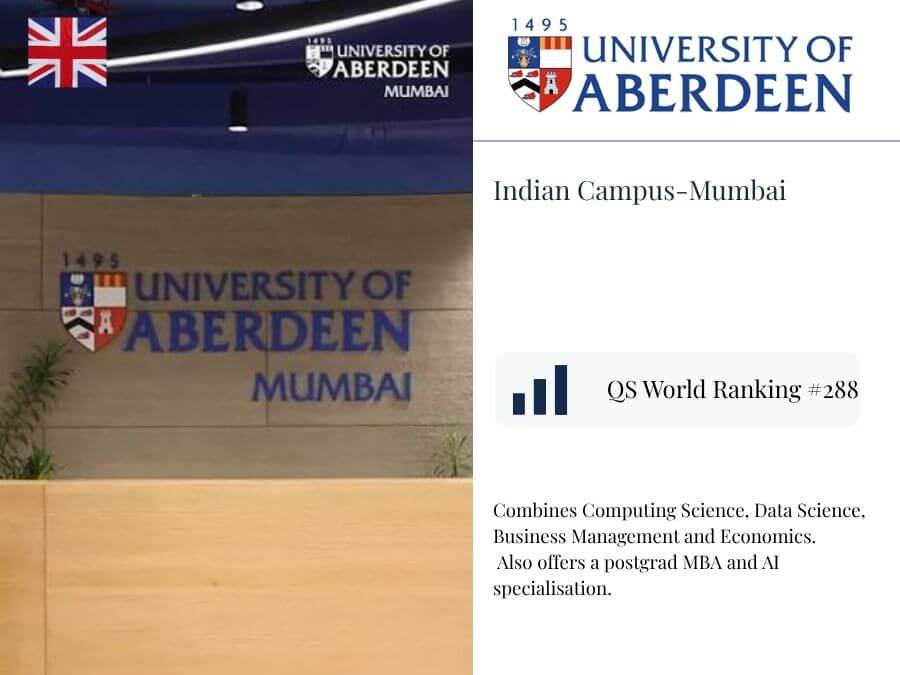
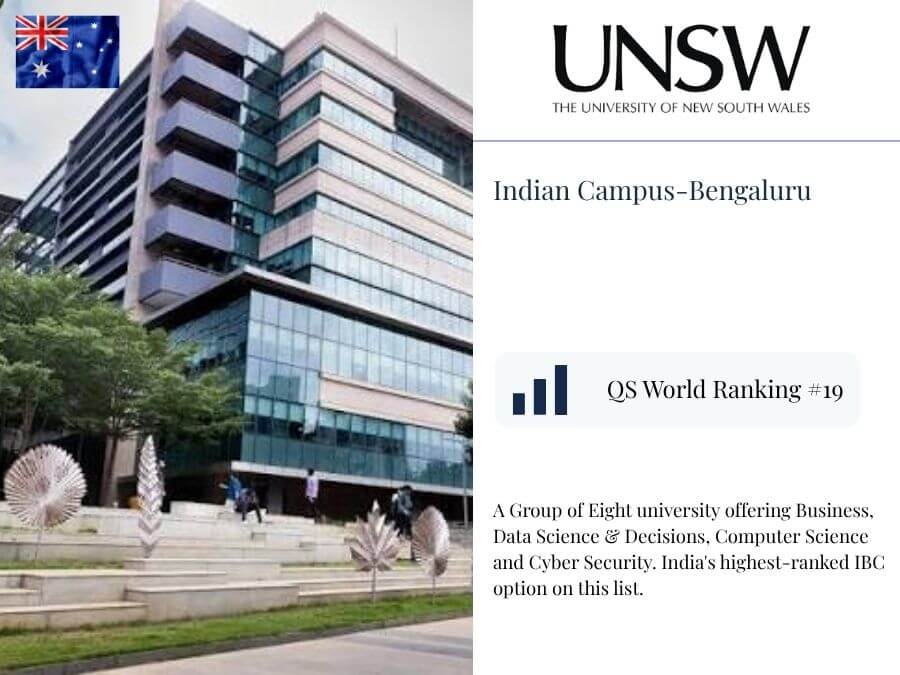
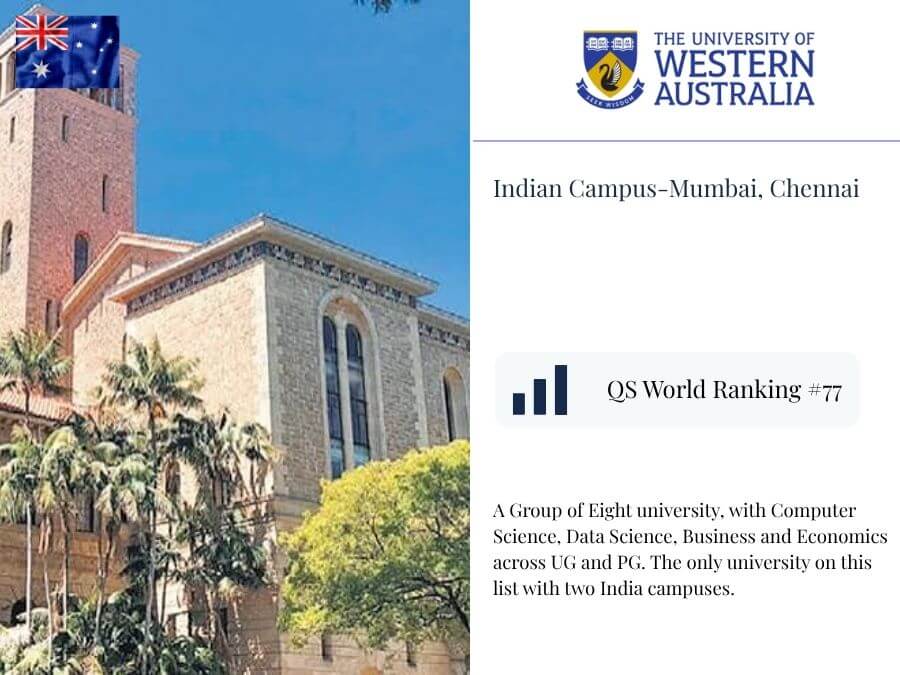
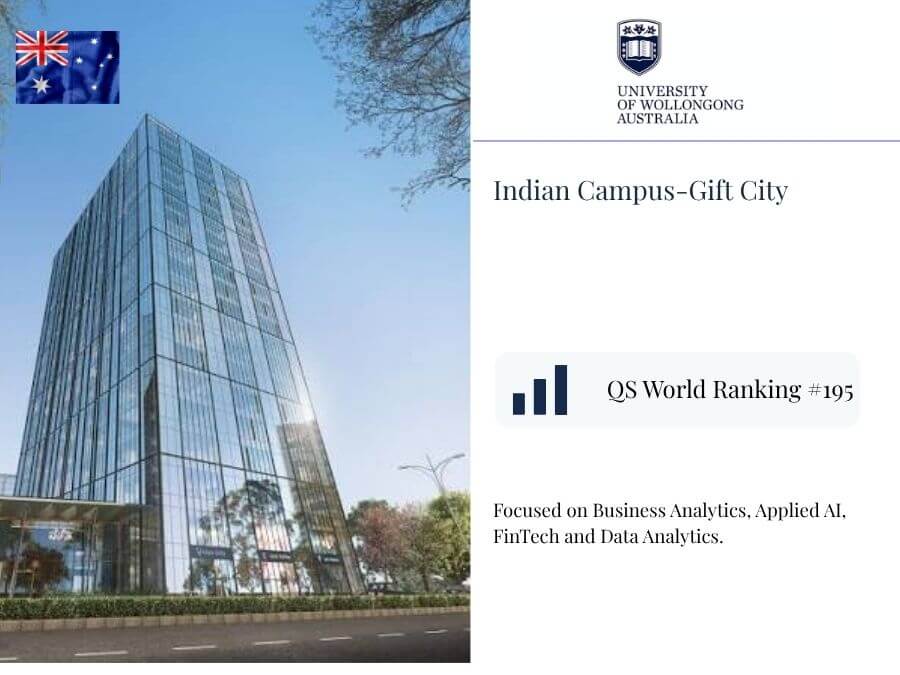
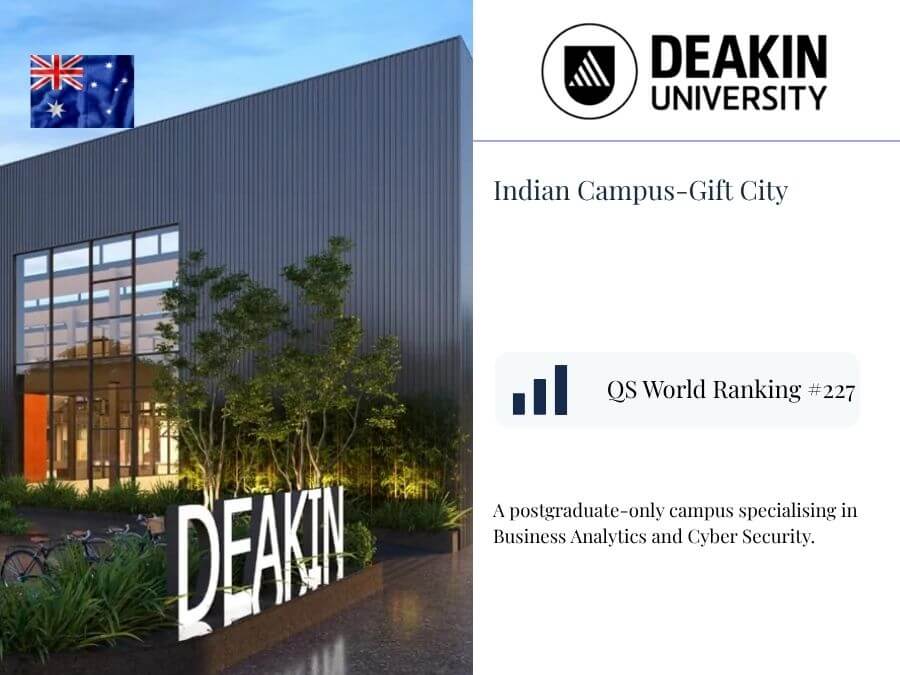
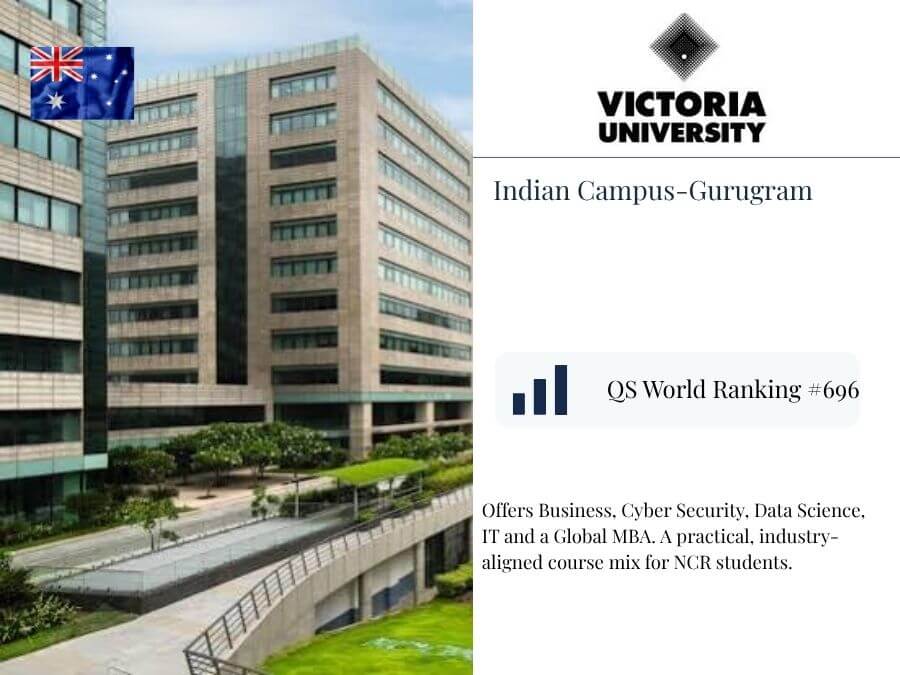
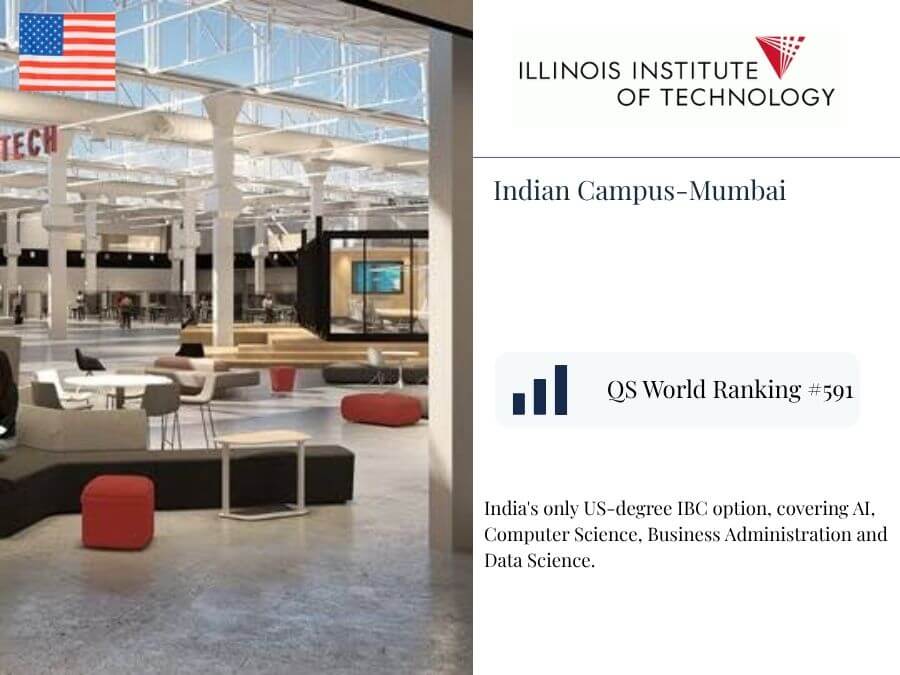
What Can You Study?
- Computer Science, Artificial Intelligence & Data Science
- Engineering & Technology
- Business, Management & Entrepreneurship
- Finance, Economics & Accounting
- Cybersecurity & Information Technology
- Marketing, Digital Business & Analytics
- Construction, Infrastructure & Project Management
- Other Emerging & Future-Focused Programs
Tuition Fees
Tuition fees at international university campuses in India vary by university and programme, with indicative annual fees generally ranging from around ₹8 lakh to ₹22 lakh based on the programmes covered in our current comparison. This can make an international university education in India a more accessible option compared with studying at the university’s overseas campus.
Scholarships
Scholarship opportunities are available across several international university campuses.The exact scholarship amount, eligibility criteria and application requirements vary by university and programme, so speak to an Eduler counsellor to understand the scholarship opportunities applicable to your profile.
Why Choose Eduler?
- Compare Universities in One Place: Compare international universities, campuses and programmes without having to research each institution separately.
- Personalised University Guidance: Get help identifying universities and programmes that match your academic profile and career goals.
- SOP Preparation: Receive guidance in preparing a strong, university-specific SOP to improve your application.
- Interview Preparation: Get personalised interview preparation to help you approach university interviews with confidence.
- Application Guidance: Get support throughout the application process, from documentation to submission.
- Zero Cost to Students: All Eduler counselling and application guidance is provided at zero cost to students.
FAQ's
Is the degree from the India campus the same as the one from the main (foreign) campus?
Yes. If the campus is approved under UGC’s 2023 FHEI Regulations, the degree is awarded by the parent university itself, and it’s recognized as equivalent to the home-campus qualification—for both employment and further studies in India.
Is the India campus recognised by UGC/AICTE and safe for government jobs/PSUs?
International branch campuses operating under UGC-FHEI regulations, or IFSCA regulations in GIFT City, follow the applicable approval framework and do not require separate AICTE approval for programmes offered under these regulations. Their degrees can be used for employment in India and for further studies.
Will the curriculum, faculty and exams be the same as abroad?
The parent university sets the curriculum and assessment standards—not the Indian campus independently—so students receive the same academic rigor as the home campus. To uphold this, most FHEI campuses use a mix of permanent India-based faculty and visiting faculty from the main campus.
Can I transfer to the main campus later? What are the conditions and costs?
Yes—some universities do offer semester exchanges or full transfer pathways to their home campus abroad. However, these opportunities are programme-specific and depend on factors like your academic grades, seat availability, and visa requirements. Keep in mind that costs can also be significant, since you’d need to cover both the tuition differential and the expense of living abroad.
How much will it really cost per year—and are there hidden fees?
Yes—tuition at India-based campuses typically runs 40–60% lower than studying at the parent campus abroad. That said, your total cost isn’t just tuition: factor in tech/lab fees, exam fees, insurance, and optional hostel charges as well. Depending on the level and university, most programmes land in the ₹13–23 lakh/year range overall.
What about placements and internships in India—will employers value this degree?
Yes—early cohorts have seen strong brand interest from students, though placement ecosystems at these campuses are still developing.Some of the institutes in GIFT city are also offering guranteed internships. Ultimately, outcomes depend on factors like the strength of industry partnerships, quality of career services, and the specific programme you choose.
Do I need IELTS/TOEFL if I studied in English in India?
Not necessarily. Many India-based campuses waive the IELTS/TOEFL requirement if you scored 70–85% in Class XII English (CBSE, ISC, or State Boards), or meet the equivalent English proficiency threshold under IB or IGCSE.
What are the eligibility criteria and is there an entrance test?
Most campuses admit students based on academic merit—typically 75%+ in Class XII for undergraduate programmes, and 55–70%+ in your graduation for postgraduate programmes. The good news is that many UG programmes don’t require SAT, GMAT, or GRE scores. Some PG courses, however, may ask for relevant work experience, depending on the programme.
What is campus life like—hostel, clubs, labs, and student support?
Since many of these are newer campuses, infrastructure is still scaling up. You can expect structured student support systems in place, Institutes have done tie up with accommodation providers to help the students secure hostels, but the breadth of clubs, lab facilities, and hostel capacity can vary depending on the location and how recently the campus launched. It’s a good idea to ask for virtual campus tours and confirm hostel capacity before you decide.